K-Beauty’s New Influence
South Korea is nipping at France’s heels as the World’s top exporter of cosmetics, according to South Korea’s Ministry of Food and Drug Safety. The country’s cosmetics exports reached a record $11.4 billion in 2025 (up 11.8%) pushing the USA into third position.
For cosmetics industry insiders and beauty fans alike, K-beauty’s ascendency is unsurprising. South Korea remains an innovation hub for the formats, textures and ingredients trending on TikTok and increasingly populating store shelves across the globe. But what are its latest areas of influence? Moreover, can Product Lifecycle Management (PLM) from Coptis help smooth the path to purchase for both K-beauty players and brands inspired by all things Korean?
Skincare leadership
Korea originally gained renown for its multi-step skincare routines, as well as products to help the user achieve that elusive, poreless ‘glass skin’ finish.
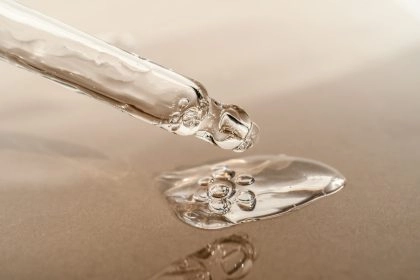
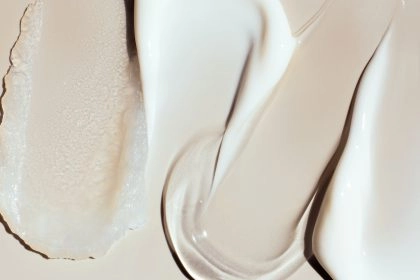
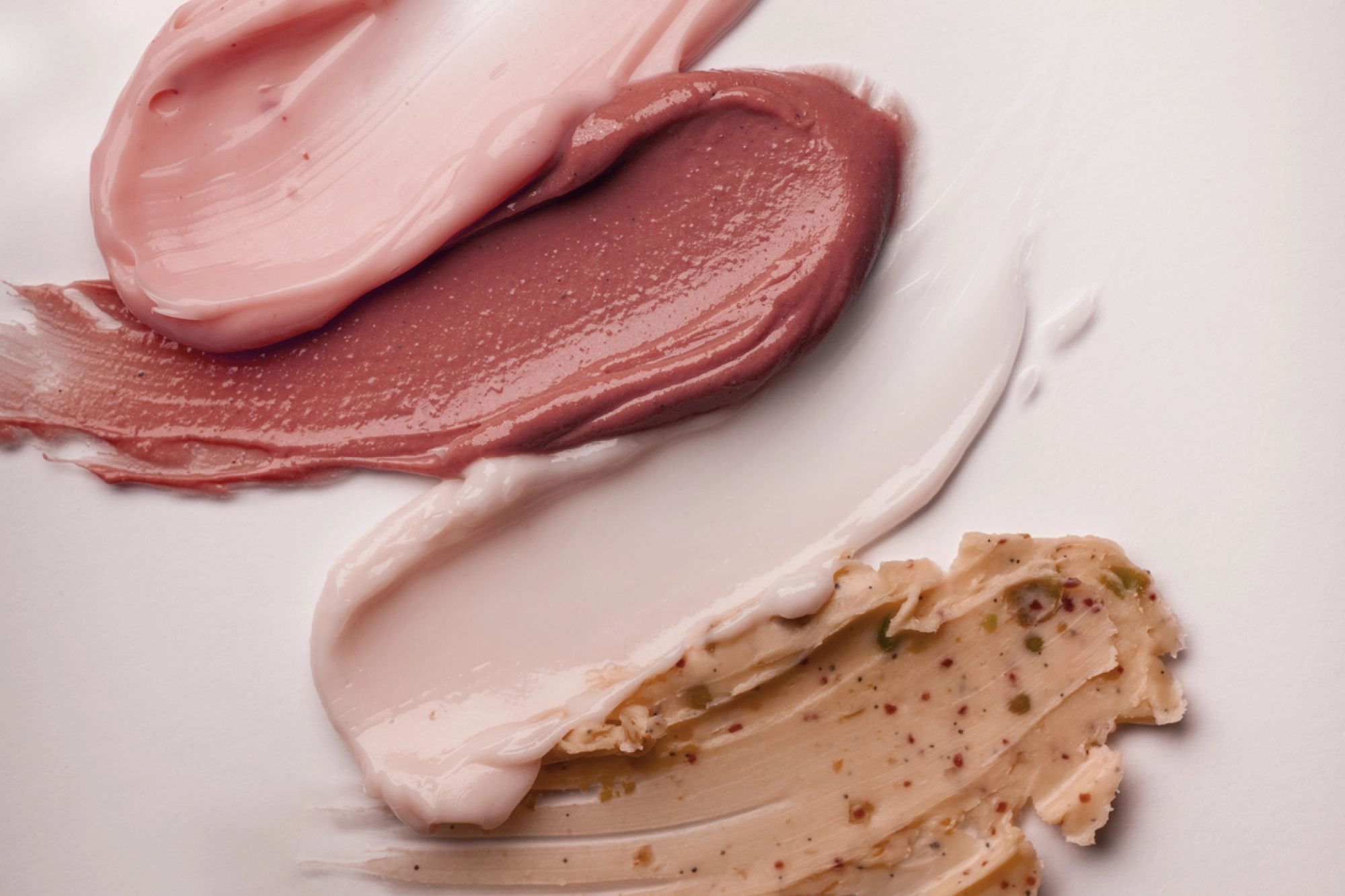
And K-beauty is showing no signs of ceding its crown when it comes to complexion care. Recent trending concepts include microneedle essences, like VT Cosmetics’ Reedle Shot, a serum containing micro-sized spicules from hydrolyzed marine sponges, which boost the absorption of actives. You also have ampoules, aka highly concentrated skincare boosters; toner pads enriched with ingredients like collagen and polydeoxyribonucleotide (PDRN); and playful, social-media friendly textures, such as bouncy, stretchy creams inspired by slime.
K-beauty’s overall approach of holistic, routine-led, preventative care also lends itself well to the longevity macrotrend, aligning K-beauty with a movement dominating not just skincare but many other beauty categories too.
One of these categories is haircare. K-beauty’s approach to healthy hair is rooted in good scalp health and many Koreans see scalp care as an extension of hair care, meaning a line-up of products not dissimilar to those you’d see in the skincare space.
The category is also far more segmented than European and US consumers are used to, with product types encompassing scalp scrubs, scalp tonics, ampoules, essences and density treatments.
As with skincare, theatricality and unique experiences play out well in K-haircare. Ampoules from brands like Treecell Forte and anillO, for example, transform from liquid to cream upon application, before self-heating to open the cuticle and drive active ingredients deeper.
The multifunctionality that K-beauty is renowned for is evident in hair care via hair essences and mists that double-up as perfumes for the tresses, as well as being shine enhancers.
K-beauty is also pushing key makeup trends. Beyond its famed BB and CC creams, and cushion compact foundations, K-beauty stamped its mark on the ‘clean girl’ movement with rosy, feminine lipstains and lipglasses from brands like Fwee and Lip Potion. However, K-beauty is not necessarily incompatible with some of the edgier, more experimental trends that are emerging, such as embracing lavender hues on the lips, cheeks and even under-eyes, or using strategic glitter in the corners of the eyes for a dewy look. And fun and handy application concepts like pudding pots and sticks loom large in K-beauty’s makeup space.
While K-beauty’s fragrance industry is comparatively nascent, punchy South Korean labels like Borntostandout, whose fragrances include Drunk Lovers, Filthy Milk and Dirty Rice, are engaging consumer attention.
Made-in-Korea takes off
Understandably, brands in all regions are interested in getting a bit of K-beauty magic, which means labels like Yepoda are achieving success. Developed to bring K-beauty to a western audience, the European brand manufactures all its K-beauty products in South Korea and this summer, in a 360-degree move, opened its first Korean store in Seoul.
A result of foreign brands tapping South Korea’s thriving contract manufacturing scene for made-in-Korea credibility is a more inclusive K-beauty landscape. In the US, K+BROWN launched as the first K-beauty brand for melanin rich skins, blending South Korean innovation with expertise in darker phototypes. India’s Quench Botanics is likewise made-in-Korea but has been developed to adapt the core principles of K-beauty to the needs of Indian consumers.
K-beauty’s Worldwide domination
The mature social selling scene in South Korea means that visually appealing and ‘exotic’ K-beauty brands dominate the top of TikTok Shop’s bestsellers’ list. However, K-beauty is moving from digital to physical in its bid to reach those international consumers who perhaps haven’t already bought into K-culture.
In May, Olive Young, South Korea’s number one beauty retailer, opened its first American store in Pasadena, California. The space centers around consumer education and discovery with interactive ‘try before you buy’ experiences, expert-guided skincare lessons and curated trend zones. Its opening follows a strategic partnership between Olive Young and Sephora at the start of the year to bring curated K-beauty to the global market.
Indeed, this is not a uniquely American phenomenon. The industry is witnessing the ‘best of K-beauty’ at Galeries Lafayette in Paris, while K-beauty brand Anua is touring Selfridges store to bring Anua’s range of skin care to major cities across the UK.
Retailers like Skin Cupid and Pure Seoul are ensuring the K-beauty message is received by keen non-Korean audiences who potentially want to know what brands, products and ingredients lie beyond the social media hype.
International expansion, however, can be hard. South Korea’s lightweight sunscreens, for example, have a cult following but they might contain UV-filters that are not compliant with the USA. For K-beauty brands who are developing new products with an eye to going global, or reformulating a bestseller for a target market with a different set of rules, PLM integrates regulatory requirements from the beginning of the development process. Automatic alerts notify formulators when a formulation does not meet the standards in a target country, removing the need for costly rework.
Alternatively, if you are developing a formulation that is K-beauty inspired in texture or key active ingredients, you will need to identify suppliers capable of providing raw materials that meet quality and cost requirements. Again, PLM can help support sourcing by integrating raw material and supplier databases. The user can compare raw materials, manage alternatives, perform cost simulations, and ensure that the raw materials selected meet the project’s regulatory and environmental needs.
Even keeping on top of moving trends in the fast-paced K-beauty market remains a struggle. When developing your marketing brief, Coptis’ PLM tool can analyze market trends and consumer needs – from PDRN to slime-inspired face cream – to help determine the product’s characteristics. The tool centralizes and archives all information and makes it accessible to everyone involved, so that your next project is as much of a crowd pleaser as any K-beauty bestseller.