Essential Oils and Plant Extracts in Cosmetics: EU Regulatory Requirements, Safety Assessment and Labelling
Essential oils and plant extracts have become important ingredients in modern cosmetic formulations. They can contribute to a product’s fragrance, texture, appearance or intended cosmetic function. They also appeal to consumers looking for products inspired by nature, botanical traditions and more transparent ingredient sourcing.
However, natural origin does not automatically mean that an ingredient is safe, compliant or suitable for every cosmetic application. Essential oils and botanical extracts can contain complex mixtures of chemical constituents, and their composition may vary according to the plant species, geographical origin, growing conditions, harvesting practices, extraction method and storage conditions.
Understanding the regulatory requirements early in product development helps prevent avoidable reformulation, labelling changes and delays for cosmetic brands, formulators and ingredient suppliers.
1. Essential oils, plant extracts and botanical ingredients: What is the difference?
What are essential oils?
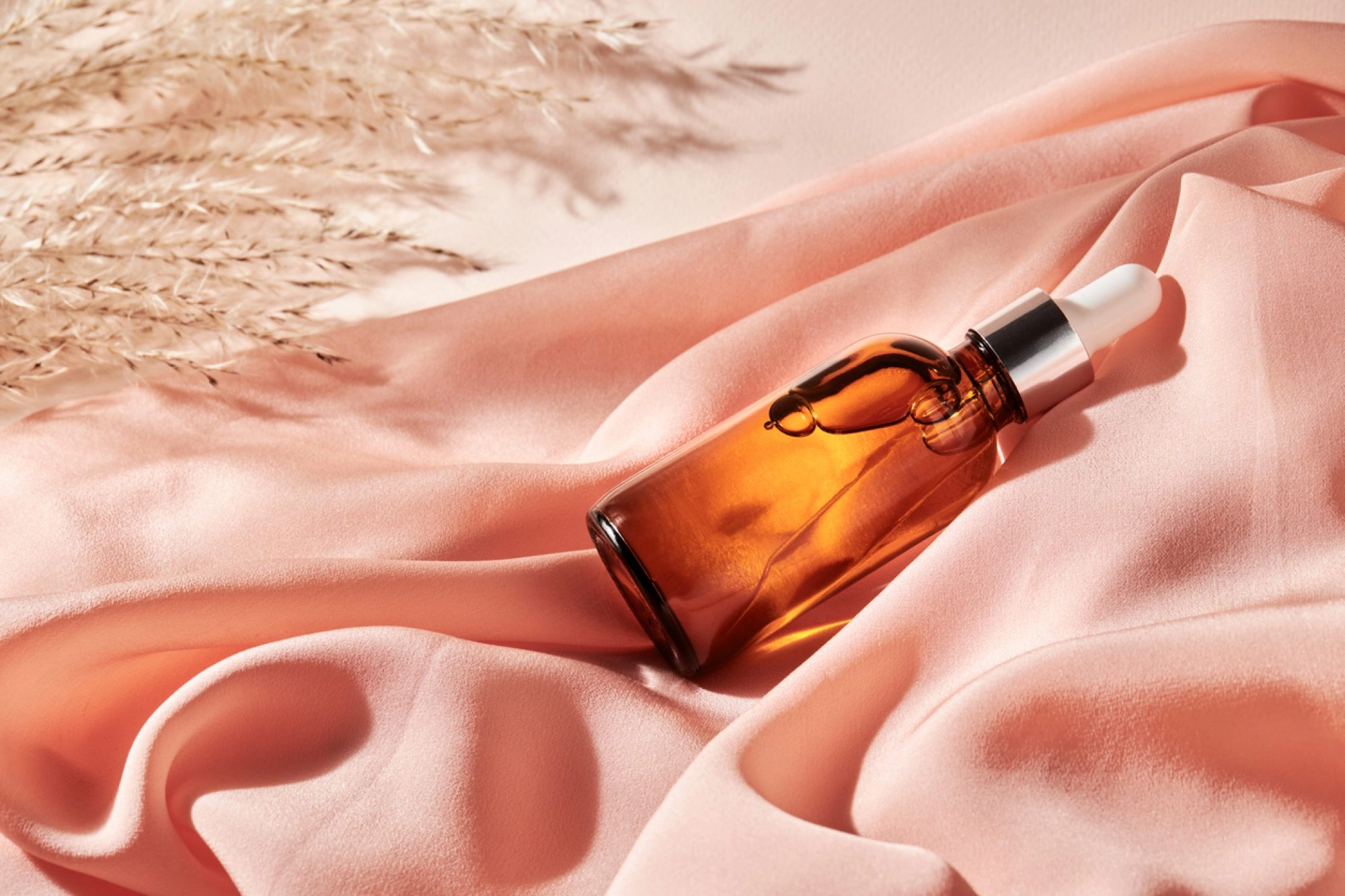
Essential oils are generally complex, volatile mixtures obtained from botanically identified plant materials. Essential oils can be used to perfume a formulation, contribute to its sensory profile or provide other intended cosmetic functions. Common production methods include steam distillation, water distillation and, particularly for citrus peel oils, mechanical expression.
Depending on the plant, the starting material may be flowers, leaves, flowering tops, fruit peel, bark, roots or rhizomes.
Some constituents can be associated with skin irritation, sensitisation or other toxicological concerns. Certain citrus-derived oils may also require specific consideration of phototoxicity, depending on their composition and production method.
Consequently, an essential oil cannot be assessed solely by its botanical name or the fact that it is widely used in cosmetics. Its actual composition, quality, concentration and intended application all matter.
What are plant extracts?
Plant extracts are materials obtained from botanical sources through extraction or other processing methods. Depending on the ingredient, these methods may involve water, alcohols, oils or other suitable extraction media.
Unlike essential oils, many plant extracts are not primarily volatile aromatic mixtures. However, the distinction is not always straightforward. Some botanical preparations are rich in volatile constituents, while others may contain both volatile and non-volatile compounds.
The final material may contain a broad range of plant-derived constituents, and its composition depends on both the original botanical material and the manufacturing process.
Are natural extracts and essential oils regulated differently?
For finished cosmetic products, the main question is whether the ingredient can be used safely and compliantly in the specific formulation. Both essential oils and other botanical extracts fall within the scope of the general EU cosmetics framework when incorporated into cosmetic products.
The ingredient’s nature may determine which additional restrictions, information requirements or assessment considerations apply.
For example, a fragrance-rich essential oil may require detailed information on its allergenic constituents, whereas a non-volatile botanical extract may require particular attention to its extraction solvent, composition, impurities or standardisation. Some botanical ingredients can also be subject to specific restrictions or prohibitions.
2. The EU regulatory framework for essential oils and plant extracts
Regulation (EC) No 1223/2009: The foundation of cosmetic compliance
Regulation (EC) No 1223/2009 is the central legal framework governing cosmetic products placed on the EU market, which establishes requirements intended to protect human health while supporting the functioning of the European cosmetics market. It is also important to mention Regulation (EU) No. 655/2013, which governs the proper use of advertising claims.
In cosmetics, its safety depends on the purity of the raw material and accurate labelling, in order to avoid regulatory encroachments, such as claims or uses more appropriate for medicinal products. For products containing essential oils or plant extracts, these provisions are particularly important.
Each cosmetic ingredient is subjected to a thorough safety assessment, according to Annex I of Reg. 1223/2009. The documentation must include:
- Origin and purity of the substance
- Toxicological data (acute toxicity, irritation, sensitization, mutagenesis, carcinogenicity)
- Concentration in the finished product
- Area and frequency of use
Overseeing the safe use of cosmetic ingredients is done by bodies such as CIR, SCCS and ECHA, with its CoRAP programme, which identifies and controls substances of concern. If certain ingredients are not officially evaluated by the Scientific Committee on Consumer Safety (SCCS) or the CIR, clinical studies in aesthetic medicine that have demonstrated its tolerability are also important.
European manufacturers are required to guarantee the protection of human health, and thanks to the robust regulatory framework of Regulation (EC) No. 1223/2009, cosmetics legally marketed in the EU that contain these active ingredients can be considered safe and reliable.
Prohibited and restricted ingredients
Annex II of the Cosmetics Regulation lists substances prohibited in cosmetic products. Annex III lists substances that may be used only under specified conditions, including restrictions and warnings where applicable.
When working with complex natural ingredients, safety assessors must check whether the raw material contains constituents subject to restrictions or prohibitions. The presence of a naturally occurring substance does not automatically make it exempt from the applicable rules. This review should consider the identity and concentration of relevant constituents, as well as the product type and intended exposure.
REACH and CLP: Additional considerations for raw materials
The Cosmetics Regulation is not the only legislation that may be relevant to essential oils and botanical ingredients.
REACH Regulation (EC) No 1907/2006 addresses the registration, evaluation, authorisation and restriction of chemicals. CLP Regulation (EC) No 1272/2008 concerns the classification, labelling and packaging of substances and mixtures according to their hazards.
Essential oils and other natural complex substances can present identification challenges because their composition may include numerous constituents and may vary between materials. Suppliers need to establish an appropriate identity and determine which obligations apply to their specific material and supply-chain activities.
It is important to distinguish these chemical-law obligations from the requirements for the finished cosmetic product. Compliance with REACH or CLP does not replace the safety assessment required under the Cosmetics Regulation. Similarly, a cosmetic product’s safety assessment does not automatically resolve every chemical-law obligation that may apply to its raw materials.
Plant sourcing and access to genetic resources
For certain botanical ingredients, sourcing and access-and-benefit-sharing rules may also require consideration.
The Nagoya Protocol and the EU framework implementing access to genetic resources and the fair and equitable sharing of benefits arising from their utilisation can be relevant, depending on the resource, its origin, the applicable dates and the activity undertaken.
These requirements should not be assumed to apply identically to every plant ingredient. Businesses should establish whether the specific botanical resource and its use fall within scope and retain appropriate evidence where due diligence is required.
Ethical sourcing, environmental commitments and voluntary natural-cosmetics standards may introduce further supplier requirements. These can be commercially important, but they should not be confused with the legal requirements that apply to the cosmetic product itself.
3. Why natural origin does not guarantee safety
One of the most persistent misconceptions in cosmetics is that ingredients derived from plants are inherently safer than synthetic ingredients.
In reality, the safety of an ingredient depends on its properties and the exposure that results from its intended use, not simply on its origin.
Plants produce a wide variety of chemical substances. Some are useful in cosmetic formulations; others may cause irritation, sensitisation or other adverse effects at certain levels of exposure.
Essential oils are especially important in this respect because they are concentrated, chemically complex materials. A small quantity may contain substantial amounts of particular constituents, some of which can have relevant toxicological properties.
Botanical extracts can present different challenges. Their composition may depend on the extraction process, and information about the starting plant alone may not adequately describe the final ingredient.
Chemical variability between batches
The composition of an essential oil or plant extract can change with:
- Botanical species and subspecies.
- Plant part used.
- Geographic origin and growing conditions.
- Climate, soil and seasonal variation.
- Harvesting and storage conditions of the plant material.
- Extraction method and processing parameters.
- Refining, concentration or other downstream processing.
Two materials sold under similar commercial descriptions may therefore have different chemical profiles.
This variation is not necessarily evidence of poor quality. Natural materials can vary for legitimate reasons. However, the range of variability must be understood and controlled well enough to support the intended use and the safety assessment.
For example, if a safety assessor evaluates an essential oil using a specific constituent profile, a subsequent batch with materially different concentrations of relevant constituents may no longer be adequately represented by the original data.
Irritation and sensitisation
Skin irritation and skin sensitisation are distinct endpoints.
Irritation is a non-specific adverse reaction that can occur when a substance damages or irritates the skin or other exposed tissue.
Sensitisation involves an immune response. Following sensitisation, subsequent exposure to the relevant allergen may trigger allergic contact dermatitis in the affected individual.
Some fragrance ingredients and constituents found in essential oils can cause sensitisation. The risk depends on the substance, the amount present, the exposure conditions and individual susceptibility. Cosmetic safety assessment aims to establish that the product meets the required safety standard under its intended conditions of use; it cannot eliminate every possible individual reaction.
Other toxicological considerations
Depending on the ingredient and its intended use, the assessment may also need to address systemic toxicity, reproductive or developmental toxicity, genotoxicity, phototoxicity and other relevant endpoints.
Phototoxicity is particularly relevant to certain substances that may interact with ultraviolet radiation. Some citrus-derived essential oils, for example, may contain phototoxic constituents depending on the oil and production method. The relevant composition and applicable restrictions must be established for the actual material.
Oxidation can also affect the composition of some essential oils during storage. Changes in the chemical profile may influence quality and safety, so stability, packaging and storage conditions are relevant to raw-material control.
The appropriate assessment is ingredient-specific. It is not scientifically sound to apply a single generic concentration limit to every essential oil or plant extract, because the substances involved and the resulting exposures can differ substantially.
4. Safety assessment: Evaluating the finished cosmetic product
Before a cosmetic product is placed on the EU market, its safety must be assessed in accordance with Article 10 and Annex I of Regulation (EC) No 1223/2009.
The assessment must consider the finished formulation, its intended use, the exposure to individual ingredients and the available safety information. It is not enough to evaluate each ingredient in isolation without considering the product in which it will be used.
A qualified safety assessor carries out the cosmetic product safety assessment and prepares Part B of the CPSR. The assessor must have the qualifications specified in Article 10.
What information is needed?
The exact information required will depend on the nature of the raw material and the proposed formulation. For essential oils and plant extracts, relevant information may include:
- Full ingredient composition, including relevant constituents and impurities.
- INCI names and other identifiers where applicable.
- Botanical identity, including the plant species and plant part used.
- Extraction method and relevant processing information.
- Full composition or a suitably detailed constituent profile.
- Information on relevant impurities, residual solvents or other processing-related substances.
- Physical and chemical specifications.
- Relevant analytical data, including chromatographic information where appropriate.
- Batch identification and quality-control information.
- Standardisation details for extracts where relevant.
- Storage conditions and shelf-life information.
- Available toxicological data for the ingredient and relevant constituents.
- Information on irritation, sensitisation and other relevant endpoints.
- Fragrance-allergen information where applicable.
- Relevant restrictions or conditions of use.
- IFRA documentation where relevant to the intended fragrance application.
- Safety Data Sheet and other applicable chemical-safety documentation.
- Information needed to assess the ingredient’s status under applicable EU legislation.
- Recommended or proposed concentration ranges in the finished product, with their basis.
- Intended cosmetic applications and product categories.
- Relevant exposure considerations: frequency, amount and duration of use.
- Compatibility or stability information where available.
- Evidence supporting any efficacy claims made for the ingredient.
- Relevant exposure routes and foreseeable misuse.
- Supplier safety information and any applicable restrictions or recommendations.
The assessor uses this information, alongside other relevant evidence, to evaluate the safety of the finished formulation.
5. IFRA standards: A useful tool, not a replacement for the CPSR
The International Fragrance Association (IFRA) publishes standards intended to support the safe use of fragrance ingredients. These standards may prohibit certain materials, restrict their use under specified conditions or establish purity requirements.
They can be especially relevant when a cosmetic formulation contains essential oils or fragrance mixtures that include substances with sensitising potential.
IFRA standards are developed using scientific information and are organised according to product categories and exposure considerations. As the evidence base evolves, standards may be amended.
A supplier may provide an IFRA Certificate of Conformity indicating whether a fragrance material complies with the applicable IFRA standards for specified product categories and use levels. But an IFRA certificate does not replace the safety assessment required under the EU Cosmetics Regulation. IFRA standards and EU legal requirements serve different purposes. A fragrance material may meet applicable IFRA standards but still require further assessment in the finished cosmetic product. Conversely, the absence of an IFRA certificate should prompt a review of what evidence is available and what is appropriate for the particular ingredient and product. It should not lead to an automatic conclusion without considering the relevant circumstances.
When requesting this documentation, brands should verify that it relates to the correct raw material and intended product category, and that it reflects the relevant current amendment. The certificate can help formulators understand applicable IFRA restrictions and identify whether the proposed use level needs to be adjusted.
6. Fragrance allergens and cosmetic labelling in the EU
Fragrance-allergen labelling is a particularly important consideration for products containing essential oils and other fragrant botanical materials.
Some substances found in fragrances can cause allergic contact dermatitis in sensitised individuals. Once a person has become sensitised, subsequent exposure to the relevant allergen may trigger symptoms, even at lower concentrations than those associated with the original sensitisation.
The EU Cosmetics Regulation therefore requires, according to Regulation (EU) 2023/1545, 82 fragrance allergens to be identified individually in the ingredient list when they exceed the thresholds of 0.001% in leave-on products and 0.01% in rinse-off products. This is especially relevant to botanical ingredients because essential oils and plant extracts can contain naturally occurring fragrance constituents.
It should not be assumed that an allergen is absent simply because no separate fragrance ingredient was intentionally added. Depending on the material’s composition, relevant constituents may be present through an essential oil, extract or fragrance mixture.
7. Ingredient lists and INCI names for botanical ingredients
Under Article 19 of Regulation (EC) No 1223/2009, cosmetic products must display an ingredient list using the applicable common ingredient names established through the relevant nomenclature framework. In practice, cosmetic ingredient lists commonly use INCI names.
For botanical ingredients, the appropriate name may reflect the plant species, plant part and type of material. Essential oils and extracts derived from the same plant may have different ingredient names.
Brands should therefore avoid assuming that a common botanical name, supplier trade name or marketing description is sufficient for the finished product’s ingredient list. Where an ingredient’s identity or nomenclature is unclear, it is worth resolving the issue before artwork is finalised.
The ingredient list should be based on the actual formula and verified against the relevant legal requirements. A supplier’s proposed INCI name is useful information, but it should not be treated as a substitute for a compliance review.
Natural ingredients deserve a rigorous compliance strategy
Essential oils and plant extracts can be valuable components of cosmetic formulations, offering distinctive fragrances, sensory characteristics and botanical profiles. Their natural origin, however, does not remove the need for careful regulatory and toxicological evaluation.
Under Regulation (EC) No 1223/2009, the finished cosmetic product must be safe for its intended use, supported by a qualified safety assessment and the appropriate product documentation. Ingredient quality, composition, traceability and supplier information all contribute to that assessment.
IFRA standards can provide useful information for fragrance-related ingredients, but they do not replace the CPSR. Similarly, a correct INCI name or an existing history of use does not by itself establish compliance. Safety assessors must also consider relevant restrictions, exposure, fragrance-allergen declarations and the documentation needed to support the finished product.
Need support with cosmetic ingredient safety or EU compliance? Taobé Consulting helps cosmetic brands and ingredient suppliers navigate regulatory requirements, from ingredient review and toxicological evaluation to Cosmetic Product Safety Reports, Product Information Files and label checks. If your formulation includes essential oils, botanical extracts or other complex raw materials, contact Taobé Consulting to discuss your regulatory needs.

More resources you might like